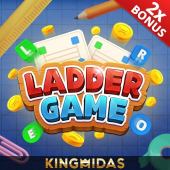
Ladder Game | Ladder Game Guide and Demo
Ladder Game is a cards game built around a simple climb: choose a level, read the next card, and decide whether the next step is worth taking. A successful round feels clear and quick because the visible ladder gives every decision a place and a consequence.
For visitors looking for a Ladder Game Demo, the best starting point is to observe the card order, the level value, and the risk of continuing before committing to a session. This guide explains the experience without promising a particular result.
Games to compare with Ladder Game



Ladder Game screenshots: read the climb at a glance
The screenshots below use the actual local game artwork to show how a compact card-led interface can sit beside related choices. The Ladder Game image is the visual anchor; the supporting cards make it easier to recognize the cards category when browsing on a phone.
Look for three useful interface cues: the current rung, the next-card area, and the control that confirms a decision. These cues should remain legible before a player considers any action, even when the screen is narrowed to a small mobile canvas.
Ladder Game RTP analysis: how to interpret returns
RTP, or return to player, is a long-run statistical measure rather than a promise for one round. In Ladder Game, RTP should be read alongside the ladder's decision points: a theoretical return describes many plays over time, while a single climb can end early or move further by chance.
A useful analysis separates the published game information from personal results. Do not treat a short winning streak as proof of a higher return, and do not chase a losing sequence to correct the average. If a current information panel supplies an RTP value, compare its definition and time period before using it to plan a session.
-
Long-run view
RTP describes an expected relationship across a large number of rounds, not the result of the next card. -
Risk by level
A higher rung can change the practical risk of continuing, so return information is best read with the ladder structure. -
Fair comparison
Compare the same rules and stake conditions; a result from another cards game is not a Ladder Game statistic.
Ladder Game theme and experience: a calm climb with rising tension
The Ladder Game theme keeps the visual story focused on progress. Instead of asking players to learn a large collection of symbols, it uses the familiar image of moving upward. Each rung gives the session a readable rhythm: inspect the card, consider the next step, and stop when the intended boundary has been reached.
This compact experience suits players who prefer short decisions over a crowded board. It also makes a helpful contrast with Wild Bounty Showdown, where a broader action style can feel more expansive. The comparison is about pacing and presentation, not a claim that one game is more profitable.
-
Progressive focus
The ladder turns each choice into a visible stage, helping new visitors understand where they are in the round. -
Readable pace
A small number of clear controls leaves space to review the next decision instead of rushing through a busy screen. -
Phone-friendly rhythm
Short, deliberate turns are easier to follow when playing on a narrow phone display.
Ladder Game strategy: make each step deliberate
The most practical Ladder Game strategy is to set a stopping rule before the first card. Decide the session budget, the maximum time, and the highest rung you are comfortable observing. Once that boundary is reached, stopping is a complete strategy; it is not a failure to continue.
Start by learning the controls in a low-pressure setting and note what the interface calls a win, a cash-out, or a new step. Players who enjoy a more traditional hand format may compare the decision-making language with Las Vegas Blackjack, but the games do not share identical rules or odds. Keep the comparison educational and return to the actual Ladder Game instructions before taking action.
-
Set an exit point
Choose a clear target or time limit in advance, then honor it without increasing a stake to recover a result. -
Use a fixed budget
Only use money set aside for entertainment, and keep every step within that preselected amount. -
Read before acting
Check the current rules, payout explanation, and any visible confirmation text before selecting the next rung.
Ladder Game use cases: choose a session that fits your goal
Ladder Game works best when the reason for opening it is clear. A first-time visitor can use a short session to learn the card and level indicators. A returning visitor can use it as a brief entertainment break, provided the same budget and time boundaries still apply. Neither use case should be described as a reliable income plan.
For a slower card-learning session, compare the compact climb with Video Poker and notice how each layout presents choices. That comparison can guide a preference for pace, not a prediction of outcomes. If the rules or responsible-play limits are unclear, pause and seek the platform's help information first.
-
Learning use
Use a short, observation-first visit to identify the rung labels, card display, confirmation control, and end-of-round message. -
Short break
Keep a brief timer and a fixed entertainment amount so a quick visit remains a quick visit. -
Responsible choice
Take a break when play stops feeling enjoyable, and never treat a Ladder Game round as a way to solve financial needs.
Ladder Game questions answered before you begin
Is Ladder Game a cards game? Yes. Its presentation belongs to the cards category and uses a step-by-step climb as the central idea.
What should I look for in a Ladder Game Demo? Focus on the order of the controls, how a level is shown, what confirms a decision, and where the round ends. A demo or information view should help you understand mechanics, not guarantee a result.
Does a higher rung guarantee a better result? No. A higher position may change the decision and the possible consequence, but chance still matters. Read the active rules and stop within the boundary you selected.
Can I play comfortably on a phone? The compact layout and clear card artwork are suited to a narrow screen. Keep the device upright if that makes the ladder easier to read, and ensure the fixed navigation does not cover the control area.
What is the safest way to begin? Confirm that you meet the local age requirement, read the rules, set a time and spending limit, and use the platform's information before deciding whether a session is right for you.